
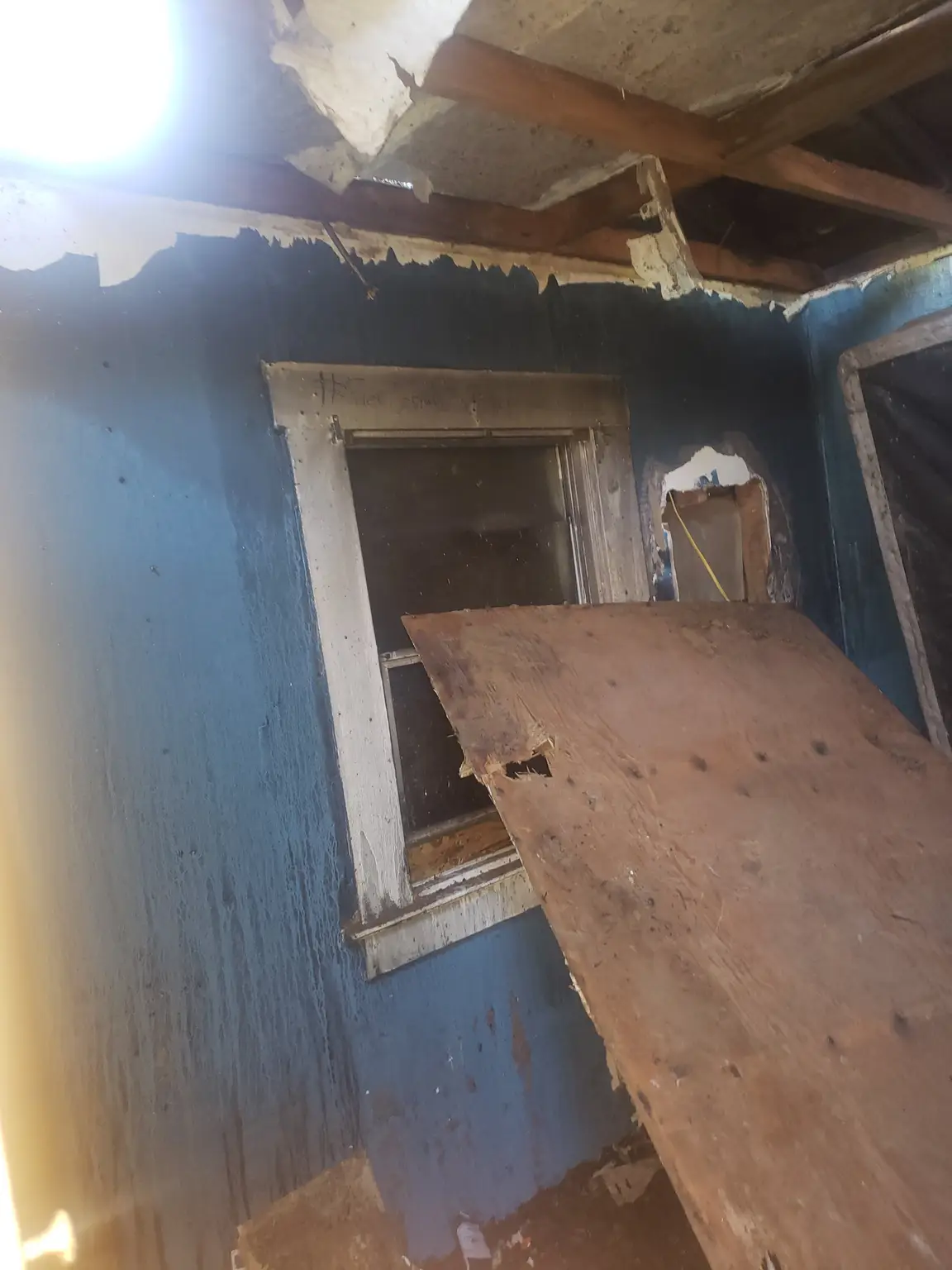
Updated July 2026 — current California disclosure requirements, realistic Fresno-area repair cost ranges, and how lenders treat damaged homes in underwriting right now.
Mold behind the bathroom wall. A slow leak that warped the kitchen floor. A crack running up the stucco that’s wider at the top than the bottom. If your Fresno house has any of these, you already know the uncomfortable part: you can’t just list it and hope nobody notices. California law requires you to disclose what you know, and most buyers’ lenders won’t fund a house with active damage anyway.
This guide walks through what each type of damage really means for a sale, what the repairs actually cost in the Fresno area in 2026, and the three realistic paths to sold — including selling exactly as it sits.
Why Damage Kills Financed Sales (The Lender Wall)
Here’s the thing most sellers learn the hard way: it’s usually not the buyer who walks away — it’s the buyer’s lender. FHA and VA appraisals apply minimum property standards, and conventional lenders flag health-and-safety issues. Active mold, standing water damage, and visible structural movement are exactly the items appraisers are trained to call out. When they do, the lender conditions the loan on repairs being completed before closing — repairs you’d have to fund on a house you’re trying to leave.
That’s why damaged houses in Fresno tend to sell one of two ways: fully repaired first, or for cash. The middle path — listing as-is on the MLS and waiting for a financed buyer — mostly produces escrows that fall apart in week three.
Mold: What California Actually Requires
California’s Toxic Mold Protection Act and the standard Transfer Disclosure Statement (Civil Code §1102) mean one simple rule: if you know about mold, you disclose it. Painting over it or setting out air fresheners before showings doesn’t just risk the sale — it risks a lawsuit after closing.
- Small, surface-level mold (a bathroom ceiling corner): often a few hundred dollars to remediate properly — but “properly” means fixing the moisture source, not just wiping the stain.
- Mold inside walls or HVAC: professional remediation in the Fresno area commonly runs into the thousands, and remediation companies won’t warranty the work unless the underlying leak or ventilation problem is fixed too.
- The multiplier problem: mold is almost never the whole story. It’s the visible symptom of a water problem — which means the real repair bill is mold + plumbing/roof + drywall + paint.
Water Damage: Why “It Dried Out” Isn’t “It’s Fixed”
Water damage has a paper trail. If an insurance claim was ever filed on the house, it’s in the CLUE database that buyers’ insurers check — and a prior water claim can make the buyer’s homeowners insurance more expensive or harder to bind, which can quietly kill a financed deal even after the repairs were done.
What buyers and inspectors look for in Fresno houses: warped or cupped flooring, swollen baseboards and cabinet toe-kicks, water staining on subfloor from the crawlspace, and the smell. If the leak touched drywall or flooring for more than a day or two, assume the honest fix involves opening things up — not just a fan and a dehumidifier.
Structural & Foundation Issues: The Big One
Central Valley soils expand and contract with our wet-winter / bone-dry-summer cycle, and plenty of older Fresno homes show it: doors that won’t latch, stair-step cracks in stucco or block, sloping floors. Structural repair is the most expensive category on this list — pier-and-post or slab repairs routinely run five figures — and it’s the one buyers fear most, because nobody trusts a patched crack without an engineer’s letter.
- If you want to repair first: get a structural engineer’s report (a few hundred dollars) before hiring a foundation company — it keeps the scope honest and becomes a selling document later.
- If you don’t: a cash buyer prices the engineering risk in and takes it on. That’s a discount — but it’s a known number instead of an open-ended repair project.
The Repair-Then-Sell Math (Run It Honestly)
Before deciding, put real numbers on both paths. The repair path isn’t just the contractor bid — it’s the bid, plus the surprises behind the drywall, plus every month of mortgage, taxes, insurance, and utilities while the work happens, plus agent commissions and closing costs when you finally list. On a repair project that stretches four or five months, carrying costs alone can quietly eat five figures.
We wrote up the full worked example — repair, list, and as-is columns side by side — in our Selling a House As-Is in Fresno guide. The short version: the as-is discount is often smaller than the repair bill + carrying costs + commissions, and it’s certain instead of estimated.
Disclosure: As-Is Doesn’t Mean Don’t-Tell
One myth to kill: selling “as-is” does not remove California’s disclosure duty. The Transfer Disclosure Statement still applies to what you actually know — mold you’ve seen, leaks you’ve had, cracks you’ve watched grow. As-is means the buyer accepts the condition; it doesn’t mean the condition is a secret. The good news: disclosing to a cash investor is painless, because damage is what we expect to see. There’s nothing to hide and nothing to stage.
Your Three Real Options
- Repair everything, then list. Highest gross price — if you have the cash, the months, and the stomach for what the walls might reveal. Makes the most sense when damage is cosmetic and contained.
- List as-is on the MLS at a discount. Works occasionally — but your buyer pool shrinks to investors anyway (financed buyers hit the lender wall), and you’re paying commissions to reach them.
- Sell as-is to a local cash buyer. No repairs, no lender conditions, no commissions, close on your timeline. The trade is a below-retail price — priced openly, so you can compare it against option 1’s real net.
What This Looks Like When We Work With You
HTV Properties is a local Fresno buyer — we renovate houses like yours all over Fresno County, so mold, water history, and foundation movement don’t scare us; they’re line items. Walk-through (or photos if you’re remote), a written cash offer in 24 hours, you pick the closing date at a local Fresno County title company, and we cover closing costs. If the numbers don’t beat your repair-and-list math, we’ll tell you that too.
Frequently Asked Questions
Do I have to fix mold before selling my Fresno house?
No. You have to disclose known mold, but you’re not required to remediate it before selling. Cash buyers purchase houses with active mold regularly.
Will a bank finance a house with foundation problems?
Usually not without repairs completed first. FHA/VA minimum property standards and conventional health-and-safety conditions mean visible structural issues typically have to be corrected before a lender will fund.
What if the damage was from a fire?
Fire damage adds an insurance-claim layer on top of everything here — ACV vs. RCV payouts, open-claim disclosure, and different buyer math. We wrote a dedicated guide: Selling a Fire-Damaged Fresno House: Insurance, Cash Sale, or Both?
How fast can a damaged house close?
With a cash buyer, as fast as title can clear — commonly 7–14 days in Fresno County. No appraisal, no lender conditions, no repair negotiations.
Other Fresno Seller Situations We Cover
- Selling a House As-Is in Fresno — the complete 2026 guide
- Fire-damaged house: insurance claims + cash sale
- Code violations & abatement liens: the 30-day decision tree
- Selling a hoarder house in Fresno
- Inherited a vacant Fresno house from out of town
Talk to HTV Properties
Mold, water, foundation — or all three. Tell us what the house needs and we’ll give you a straight cash number to compare against fixing it. Call or text (559) 854-1663 or fill out the form for a no-obligation offer on your Fresno-area house, exactly as it sits.